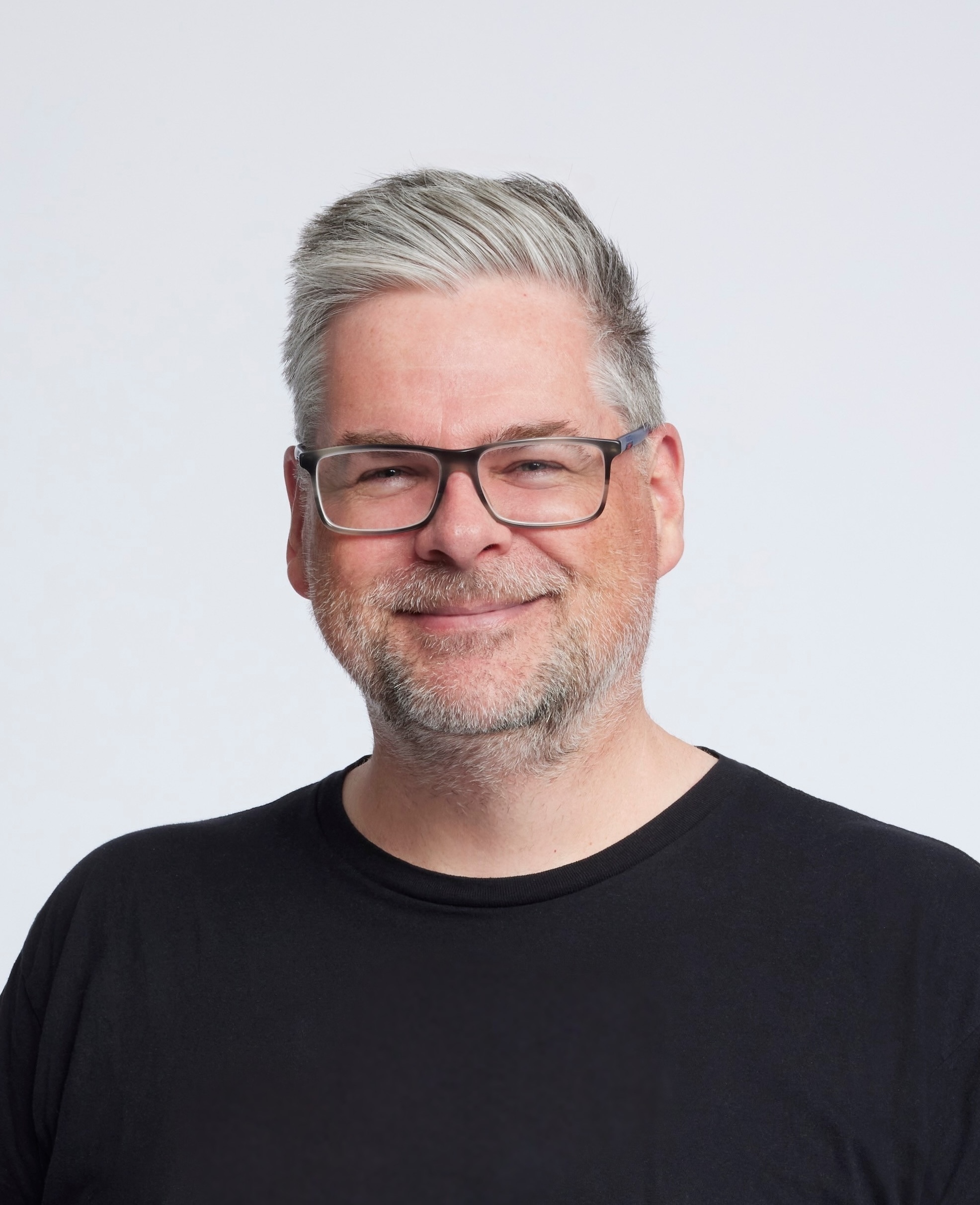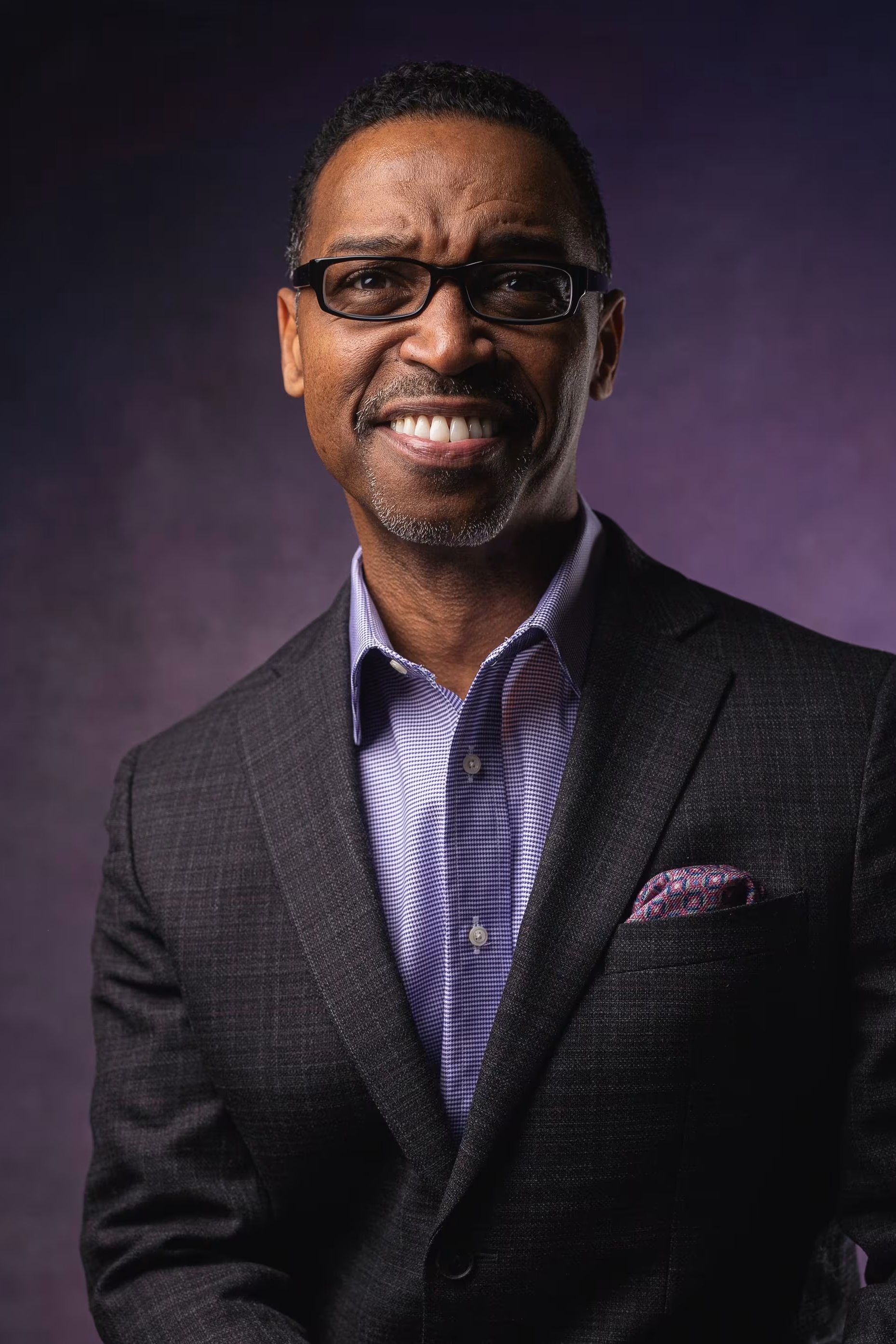
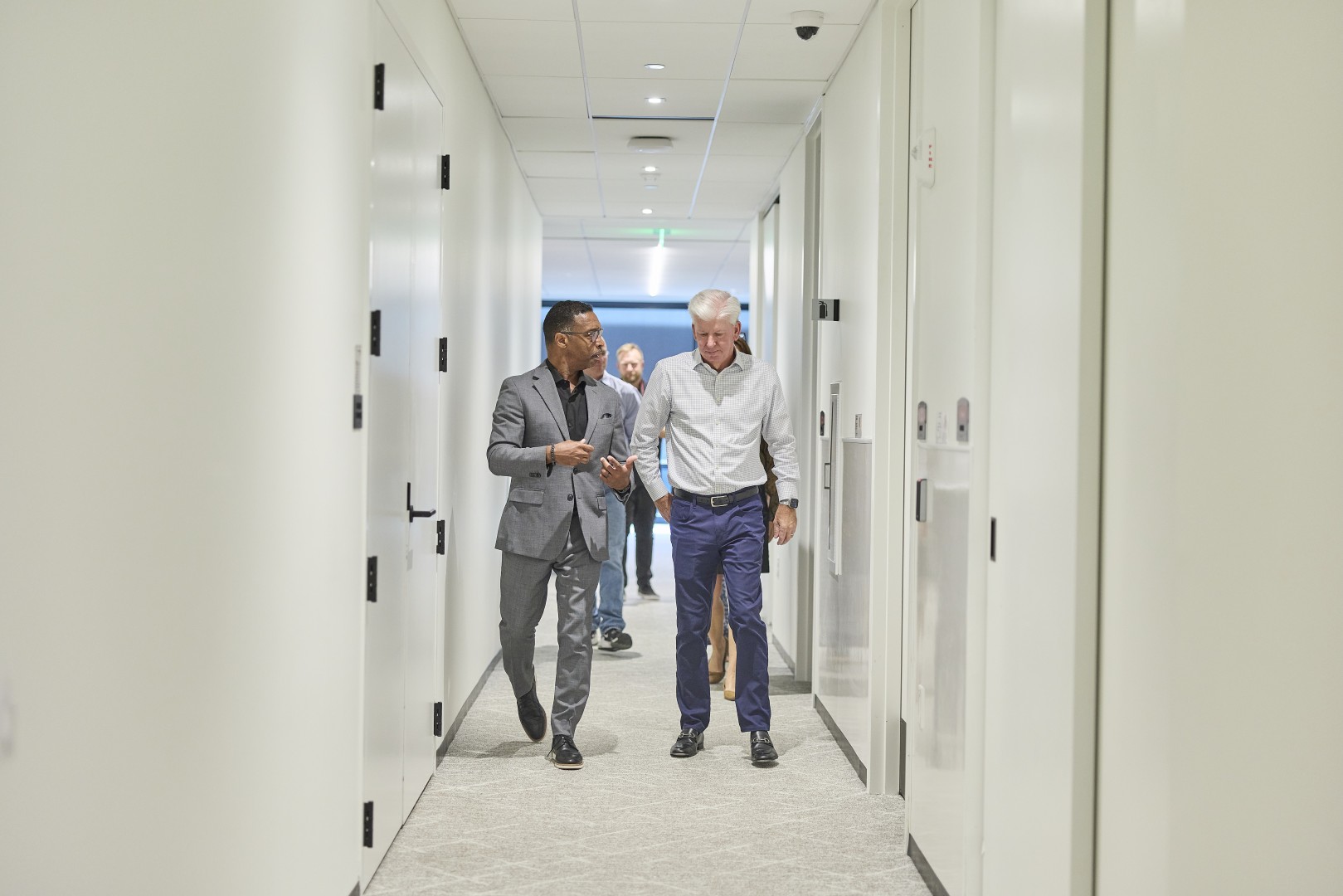
Brian Rice is Global VP and Head of Design at Newell Brands, home to Rubbermaid®, Sharpie®, Graco®, Coleman®, Rubbermaid Commercial Products®, Yankee Candle®, Paper Mate®, and other iconic brands. After building design organizations across several Fortune 500 companies, Brian joined Newell and saw an opportunity to rethink not just where its designers worked, but how they worked together and the impact they could have.
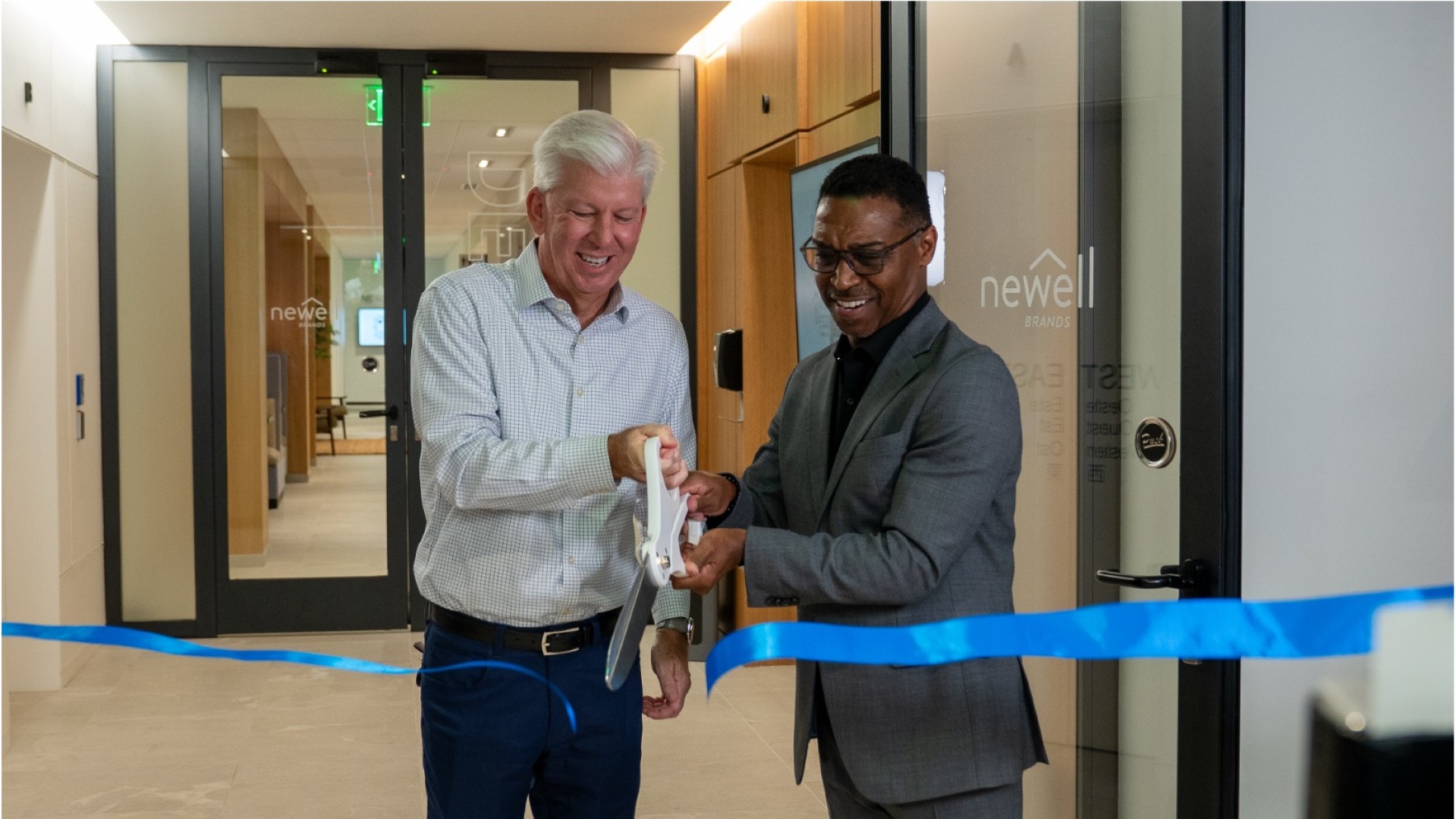
That opportunity became Newell’s new Design Center in Atlanta, where the company is headquartered, and we’re proud to celebrate Brian and the Newell Design team on its opening. We asked Brian, a Design Executive Council member, how the Design Center came together, how AI is changing design at Newell, and what he has learned about building design as a growth capability.
"The space isn't the capability. The decisions that happen inside it are. Our ambition is to build a design organization that doesn't just create great work, but helps make the business better."
1. Opening
What problem was the Design Center built to solve? How did you get it funded, and what does this do for the business?
Our ambition was never simply to create a new design space. It was to build a stronger, more connected design capability that could have a greater impact on Newell's brands and business performance. The Design Center represents an investment in bringing our talent, tools, technologies, and creative capabilities together to accelerate innovation, strengthen brand experiences, and make design a more meaningful contributor to growth. Ultimately, we're moving design from a service that supports the business to a strategic capability that helps shape its future.
2. Behind the scenes
How did the Design Center come together, from the first idea to opening day?
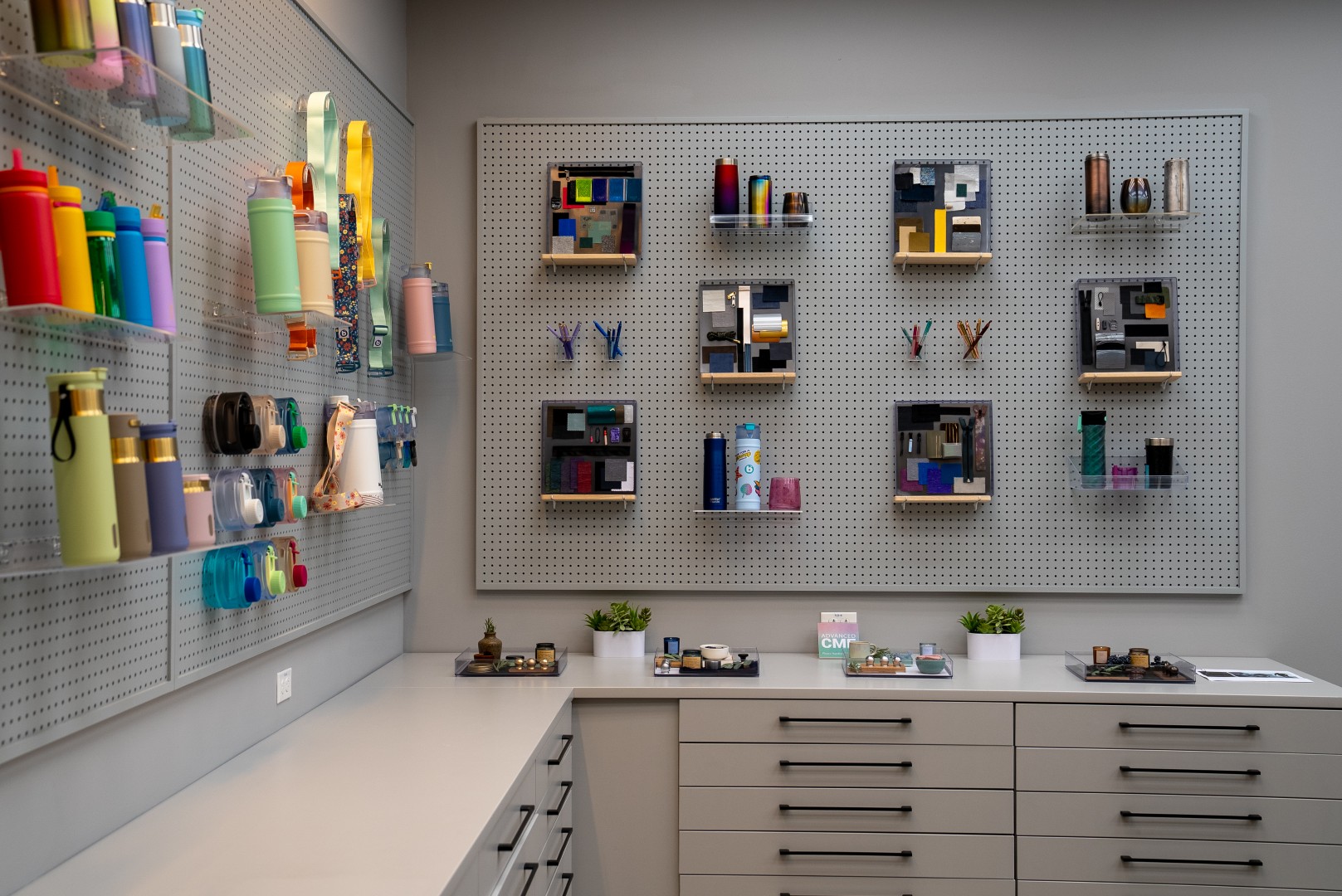
When I joined Newell, I saw an opportunity to rethink not just where our designers worked, but how they worked together and the impact they could have. We started with a vision for a more connected, collaborative design organization, bringing together the right people, capabilities, and environments to support our diverse portfolio of brands. What I'm most proud of isn't the physical transformation, but how our team came together to make it happen. The opening was an important milestone, but in many ways, it's just the beginning.
3. The capability
"The space isn't the capability. The decisions inside it are." How are these new capabilities, including AI, changing design, creativity, and innovation at Newell?
After building design organizations across several Fortune 500 companies, I've learned something: the space isn't the capability. The decisions that happen inside it are. At Newell, we're bringing together human creativity, consumer understanding, emerging technologies, and AI-enabled tools to explore more possibilities, make better decisions, and move with greater speed. AI isn't replacing creativity or design judgment; it's expanding what our designers can imagine, develop, and deliver. The real opportunity is to spend less time on repetitive execution and more time solving meaningful problems for consumers and the business.
4. The impact
What do these capabilities make possible for customers and the business? What types of products and experiences will you produce?
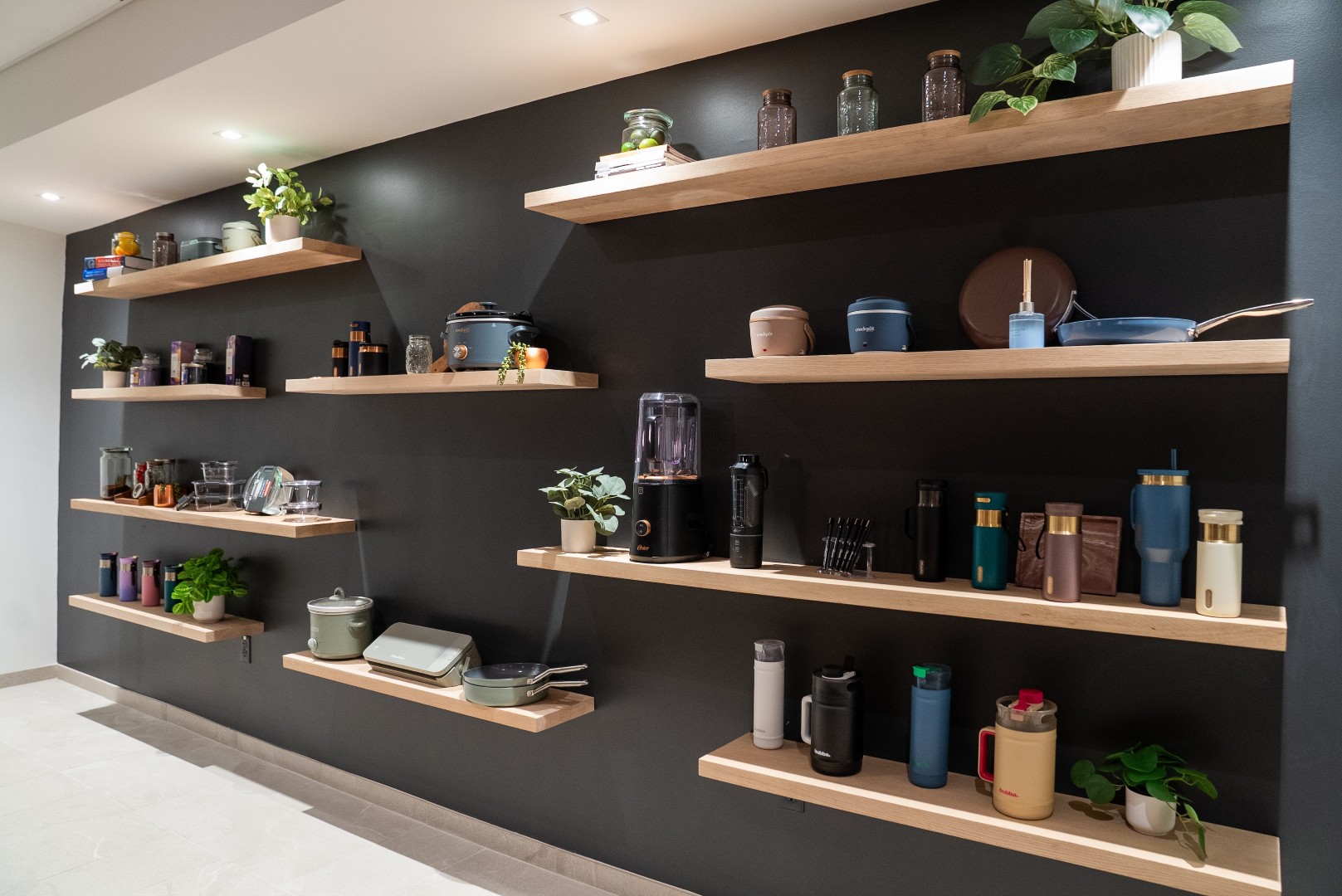
Newell has an extraordinary portfolio of brands that touch consumers' lives every day, including Rubbermaid®, Sharpie®, Graco®, Coleman®, Rubbermaid Commercial Products®, Yankee Candle®, Paper Mate®, among other iconic brands. Our Design Center creates new opportunities to connect consumer insights, product design, brand expression, and content creation to deliver more distinctive, relevant, and compelling experiences. We're building the capability to explore ideas faster, collaborate more effectively, and create greater consistency across physical and digital touchpoints. For me, success isn't measured by how much design we produce, but by the value that design creates for our consumers, our brands, and our business.
5. Why Atlanta
Why was Atlanta the right place, and what opportunities exist for DXC to help establish design leadership in the region?
Atlanta is an incredibly dynamic city with a growing creative community, a strong corporate presence, and access to exceptional talent from universities and design programs throughout the region. With Newell's headquarters here, it made sense to establish a center of gravity for design that brings our teams closer to the business and to one another. I'm also passionate about strengthening Atlanta's design leadership community, and I see a tremendous opportunity for the Design Executive Council to connect senior design leaders, share ideas, develop talent, and elevate the strategic influence of design across the region. We have an opportunity to make Atlanta an even more important destination for design leadership.
6. Reflection
What have you learned through the process? What insights would you share with fellow design leaders?
One of the biggest lessons I've learned throughout my career is that building design capability requires more than great talent, inspiring spaces, or the latest technology. It requires a clear vision, organizational commitment, and the courage to challenge how things have always been done. Design leaders must be equally comfortable advocating for creativity and demonstrating business value. My advice to fellow leaders is simple: don't just build a design organization that does great work. Build one that makes the business better because design is part of it.
Brian’s vision for Atlanta is one we share. Through our Atlanta Hub, DXC brings senior design leaders in the region together to connect, share ideas, develop talent, and elevate the strategic influence of design.
If you’re a senior design executive in Atlanta, or anywhere, building a design organization that makes the business better, the decisions ahead in 2027 will be measured in business performance and growth. Make them alongside peers who’ve led through them.