The Business Value of Design Systems is a landmark study on how design systems have evolved into essential business infrastructure for modern organizations. Conducted by DXC in partnership with Figma, the report examines how leading companies are leveraging design systems to eliminate operational friction, enhance brand consistency, and accelerate delivery at scale.
Through in-depth interviews with executives from Grammarly, SAP, Linear, Freshworks, Notion, and Hyundai Motor Group, the research uncovers how structured design governance and scalable systems translate directly into measurable outcomes — reducing costs, driving efficiency, and unlocking new pathways for growth and innovation.
Whether you’re establishing your first design system or scaling an enterprise-grade platform, this report offers actionable insights, frameworks, and case studies to help you communicate the ROI of design systems and their strategic importance in the AI-driven era.

.png)

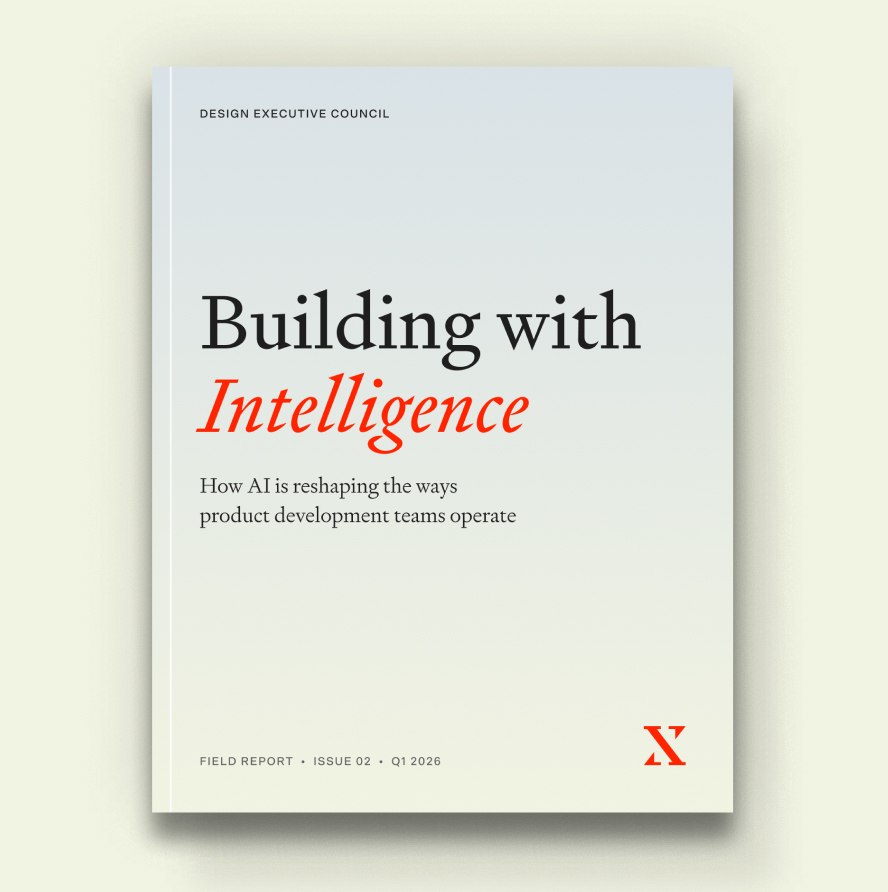
From consistency to cost savings and revenue growth
January 27, 2026
To download and access the full report, become a part of the DXC Council, or log in if you’re a Council member.

The Business Value of Design Systems is a landmark study on how design systems have evolved into essential business infrastructure for modern organizations. Conducted by DXC in partnership with Figma, the report examines how leading companies are leveraging design systems to eliminate operational friction, enhance brand consistency, and accelerate delivery at scale.
Through in-depth interviews with executives from Grammarly, SAP, Linear, Freshworks, Notion, and Hyundai Motor Group, the research uncovers how structured design governance and scalable systems translate directly into measurable outcomes — reducing costs, driving efficiency, and unlocking new pathways for growth and innovation.
Whether you’re establishing your first design system or scaling an enterprise-grade platform, this report offers actionable insights, frameworks, and case studies to help you communicate the ROI of design systems and their strategic importance in the AI-driven era.
This report was created to help design, product, and technology leaders move beyond the idea of design systems as visual libraries and toward seeing them as strategic business infrastructure.
At their best, design systems unify teams, reduce complexity, and anchor a company’s creative culture. They enable organizations to operate with speed, compliance, and quality at scale. Yet, as our research shows, their true value lies in their capacity to drive business performance turning consistency into measurable impact.
Through the voices of global design leaders, this report demonstrates how design systems deliver not only efficiency and governance but also fuel innovation and adaptability. As companies enter the AI era, these systems are emerging as the backbone of intelligent, scalable, and human-centered experiences.
From consistency to cost savings and revenue growth
The Business Value of Design Systems is a landmark study on how design systems have evolved into essential business infrastructure for modern organizations. Conducted by DXC in partnership with Figma, the report examines how leading companies are leveraging design systems to eliminate operational friction, enhance brand consistency, and accelerate delivery at scale.
Through in-depth interviews with executives from Grammarly, SAP, Linear, Freshworks, Notion, and Hyundai Motor Group, the research uncovers how structured design governance and scalable systems translate directly into measurable outcomes — reducing costs, driving efficiency, and unlocking new pathways for growth and innovation.
Whether you’re establishing your first design system or scaling an enterprise-grade platform, this report offers actionable insights, frameworks, and case studies to help you communicate the ROI of design systems and their strategic importance in the AI-driven era.
Each attendee is selected for their role in shaping tomorrow’s organizations. Request an invitation to take part in candid, forward-looking conversations that define what’s next.