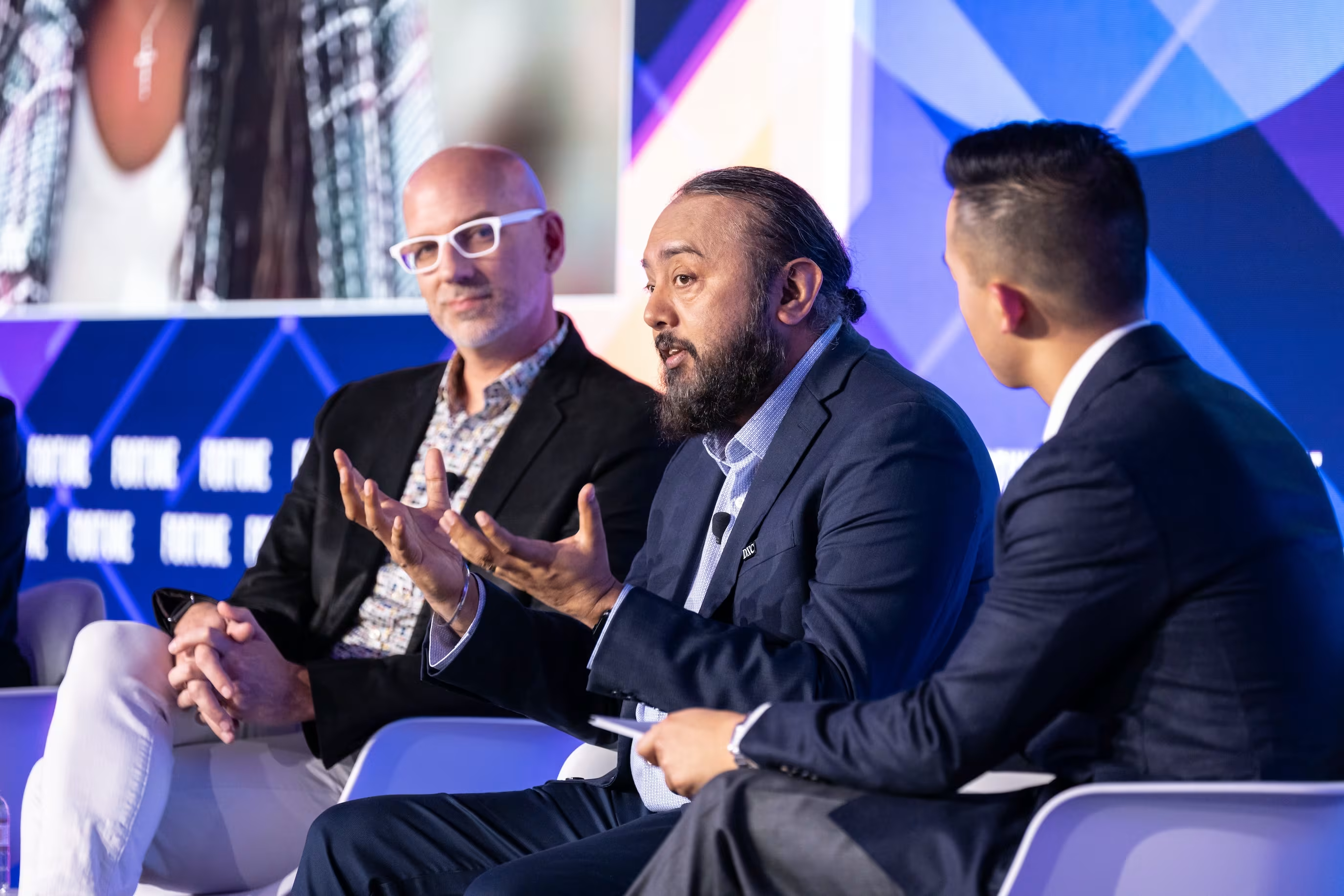
This is Part 2 of a two-part series on the DXC Industry Panels at Config 2026. Read Part 1 on the future of research.
Following a day of major Config announcements on June 24, 2026, we convened senior design and research leaders for an invitation-only evening of industry panels and dialogue. This event was hosted in partnership with Dscout and Noon, who brought the toolmakers perspective.


Gordon Ching, our founder, opened the event with a provocation: "we have moved from letting a thousand flowers bloom to cherry-picking." He described the shift as a transition from wide-ranging experiments with AI in the first half of 2026 towards a more selective focus on where AI actually creates business impact in the second half of 2026 as variable costs tied to AI tokens grow. The C-suite, he explained, is finally seeing what design leaders have known for a while: AI produces motion, but motion is not the same as business impact or customer value. Without a disciplined approach to AI usage in our teams, that motion generates noise, rather than ROI.
The floor has risen. Anyone can now build with AI. That raises the harder question for design and research leaders: how does the ceiling rise with it? As technology commodifies traditional capabilities, what new ones emerge, and what new business value do they create?
Panel 2 examined that question from the design side. Read on to explore what the designer's role becomes as AI-driven engineering velocity reshapes product development, and how it moves from contribution to ownership of what actually ships.
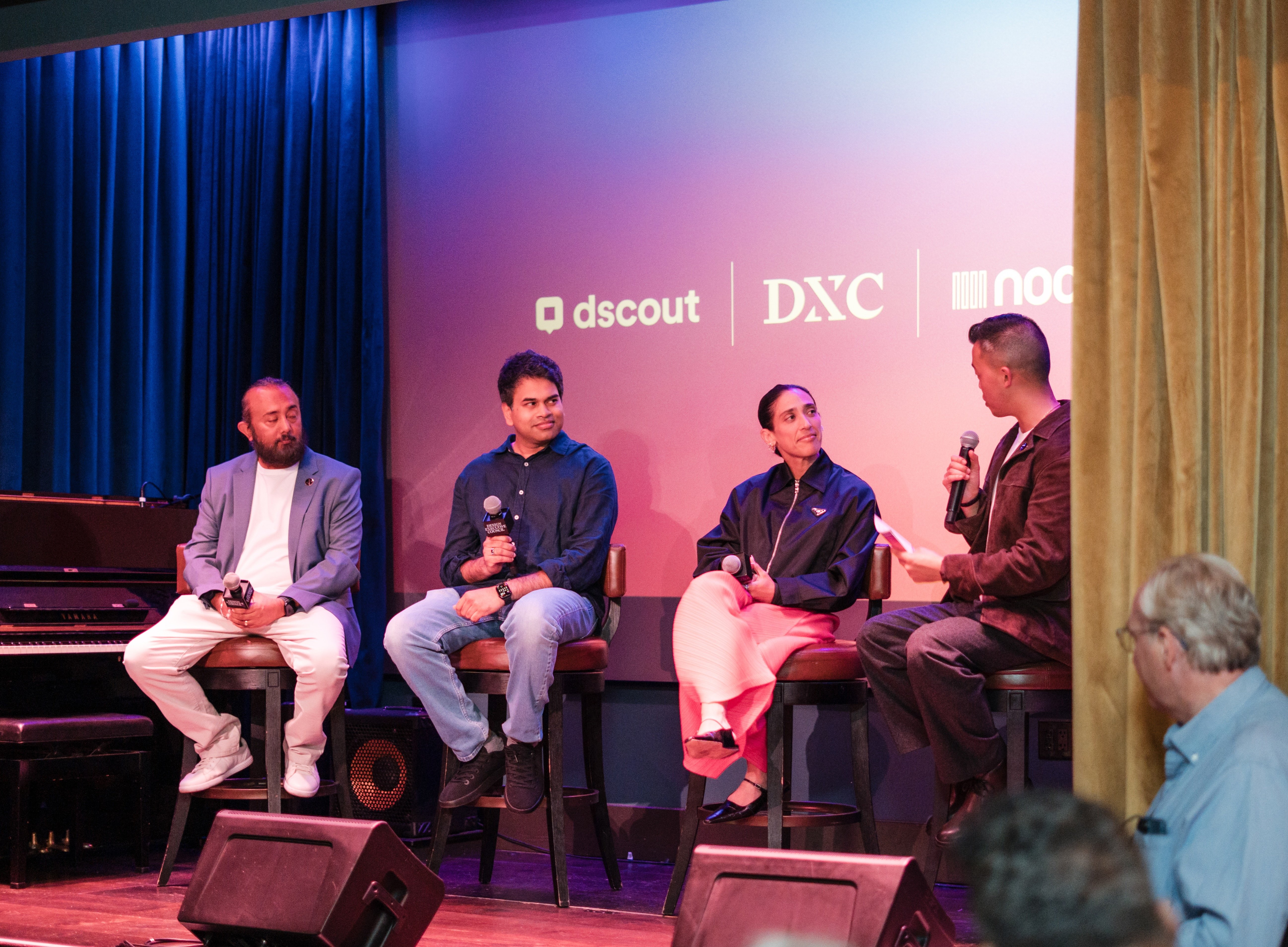
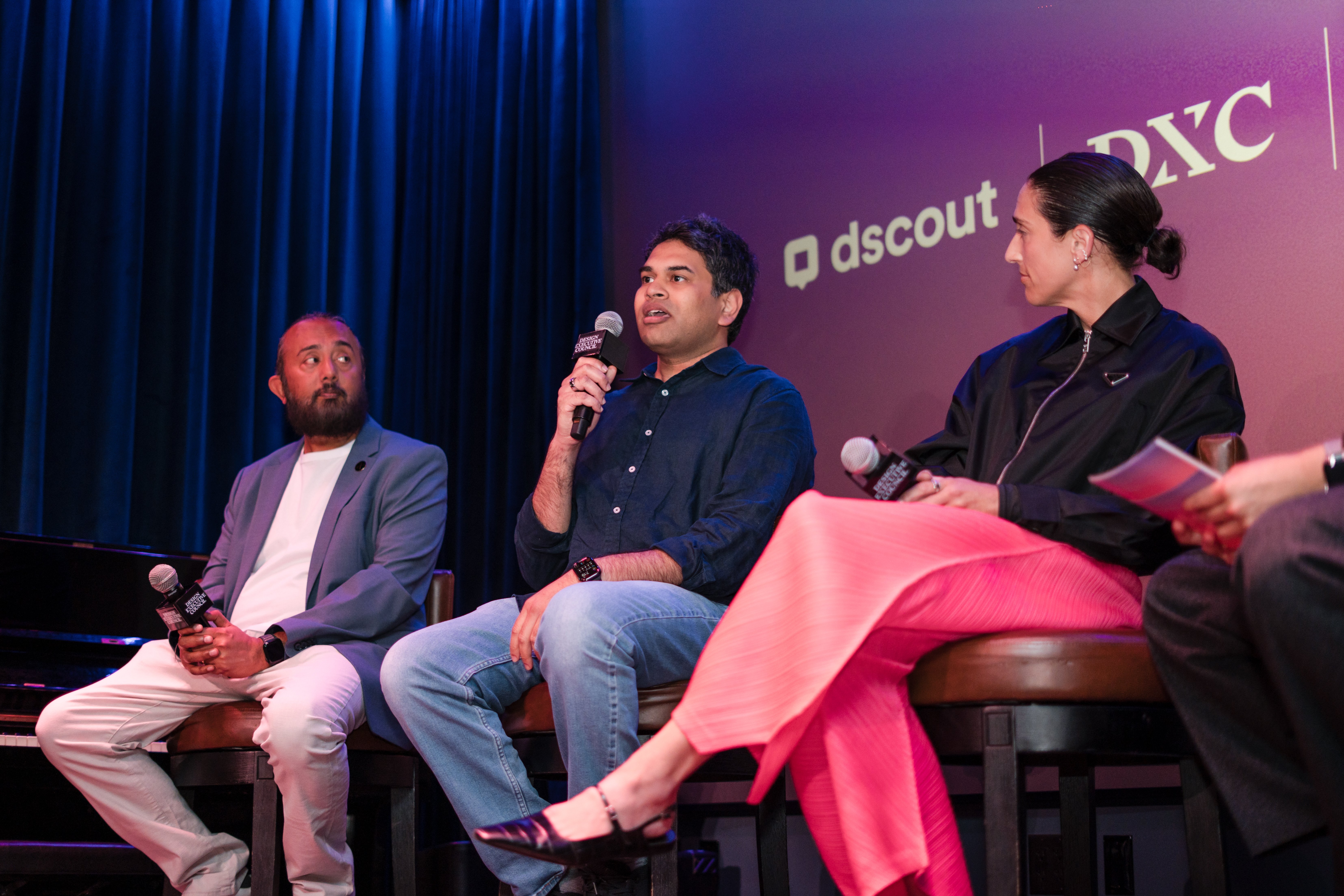
Panelists:
- Arin Bhowmick, EVP and Chief Design Officer, SAP
- Rachel Been, SVP Design, Expedia Group
- Aditya Bandi, Co-founder and CEO, Noon
- Moderated by Gordon Ching, Founder and CEO, Design Executive Council
Key themes surfaced:
If the research panel was about democratizing research across the organization, the design panel was about redistributing accountability for designers. The panelists agreed that engineering velocity has expanded dramatically in many organizations, and that traditional design teams risk becoming the bottleneck if they do not evolve. But the more interesting conversation was about what designers should evolve toward: not just faster production, but greater ownership over what ships and why. Three shifts came up repeatedly:
- Roles are converging, and hybrids are leading. Practitioners who can move fluidly across strategy, design, and engineering are having their moment.
- Handoffs are collapsing. Designers are inheriting accountability for outcomes, not just artifacts.
- AI economics are entering the P&L conversation. Token costs are forcing harder choices about where AI adds real value and where it is just adding expense.
Q1: What does great product building look like now, and what is fundamentally different?
The hybrid renaissance. Rachel Been (Expedia Group) described a renaissance for hybrid practitioners at Expedia Group. Designers who could stretch into strategy or engineering were once exceptional. Now that AI tooling has made multi-disciplinary work accessible, the hybrid profile is becoming the baseline. Her team is seeing designers create new agents, new tools, and new forms of design that would have been unthinkable four months ago.
Speed with quality across disciplines. Arin Bhowmick (SAP) framed the tension between speed and quality. Great product building, in his view, means delivering things users love as fast as possible, by being smart about the process and using AI tools. Design work, he argued, is a cross-functional competency, and getting a good product built is a team sport. He raised a practical concern, though: designers generating code without understanding engineering quality standards creates new friction rather than reducing it. The hybrid renaissance Rachel described only pays off if hybrids know what quality looks like across the disciplines they now touch.
The tool is no longer the limitation. Aditya Bandi (Noon) framed the shift from a toolmaker's perspective. His founding motivation was frustration with tools that limited designers to prototypes and mockups. With AI, the tool is no longer the limitation. What matters is the designer's ability to understand the user, solve the right problem, and carry the solution through to production with absolute control over the product experience. That vision, which Noon calls full-stack design, is one where a single designer can own the arc from concept to shipped code.
The tool is no longer the limitation. What matters is the designer's ability to understand the user and carry the solution through to what actually gets shipped. Aditya Bandi, Co-founder and CEO of Noon
Q2: What metrics should design leaders advocate for in the new operating model?
The design team’s work has historically been measured on shipping cadence, output volume, and the speed with which work moves from brief to launch. Those metrics made sense in an era where the bottleneck was capacity. In an AI-native operating model, capacity is no longer the constraint. The panelists argued that the metrics that mattered before are not the ones that will separate strong design teams from weak ones going forward.
Quality of ideas over throughput. Rachel (Expedia Group) flagged the core problem. Speed to market is easy to count. The quality of what reaches customers is harder to measure, and it is where the design team’s real contribution shows up. Her frame is collective creativity: not how quickly a team can push work out, but how quickly a team can arrive at something genuinely worth shipping. That is what design teams should be measured on.
Board-level metrics: adoption, usage, and business impact. Arin (SAP) elevated the point to a board-level concern. He argued that boards care most about AI adoption and usage, and that while speed accelerates time to market, it does not necessarily equate to product value for customers. That is where the experience breaks. Designers and design leaders, he argued, need to advocate for success metrics that go beyond how much a team ships to include the value of what ships and the business impact designers contribute to.
Boards care most about AI adoption and usage. While speed can accelerate time to market, it doesn't necessarily equate to product value for customers and that's where the experience breaks. Arin Bhowmick, EVP and Chief Design Officer at SAP
Q3: The economics of AI are becoming a board-level concern. How are you navigating that?
The AI usage vs cost tension. Rachel (Expedia Group) described the push-pull at Expedia with leaders simultaneously encouraging teams to push AI tools to their limits and flagging the growing cost of doing so. She anticipated AI token usage compression as organizations hit the ceiling on token-based licensing arrangements.
Token management is intensifying. Arin (SAP) shared that SAP has already planned its token usage budget for the full year, which means teams need to be more intentional about where AI adds genuine value versus where it is simply adding expense. That level of financial discipline is new for AI, and it is only going to intensify. Design leaders have an opportunity to shape better token management strategies across the workforce.
What if AI tools were natively built for designers from the ground up? Aditya (Noon) offered a counterperspective. Most existing design tools are built around vectors, which are visual representations of what a product should look like. Noon is built around code, the substrate that actually gets shipped. Working in code is inherently more token-efficient than working in vectors, which changes the cost equation at the infrastructure level rather than requiring teams to manage it at the workflow level.
A lot of the cost anxiety comes from tools that weren't built for AI-native workflows. Noon is built around code rather than vectors, which is inherently more token-efficient. Aditya Bandi, Co-founder and CEO at Noon
Q4: What leadership mindset must change for design to hold real business accountability?
The designer's accountability gap is closing. Arin (SAP) argued that the way design teams have historically operated is no longer viable. UX and design teams have historically not been accountable for whether products actually succeed. A team could design something, hand it off to engineering, and if it underperformed in the market, responsibility diffused across product, engineering, or leadership. That arrangement worked when design was one input in a longer chain. In an AI-native operating model, where handoffs are collapsing and designers are increasingly shaping strategy and shipping code, that arrangement no longer holds.
UX and design have historically not been accountable for outcomes. In the current paradigm, that stance is untenable. Arin Bhowmick, EVP and Chief Design Officer at SAP
Accountability is rising for designers. Rachel (Expedia Group) built on the same point from the individual contributor's perspective. When designers move from producing artifacts to defining strategy and checking code into the product, the scope of what they own changes with them. Handoffs are collapsing, and individual contributor roles are gaining agency and accountability in equal measure. The opportunity is real, but so is the expectation. Designers now own what ships, and that means owning what happens after it ships too.
The rise of the full-stack designer. Aditya (Noon) grounded these shifts in what Noon calls the full-stack designer. In his framing, a designer is no longer someone who owns only the mockup and exploration phase. A full-stack designer designs the product, builds it, and takes the work through to the code that ships. That change in scope, he argued, unlocks a completely different equation for how much influence designers and design teams hold in the product-building workflow. More influence comes with more ownership, and more ownership comes with more accountability.
Arin (SAP) pushed the point one step further. He does not believe in the handoff at all. The goal is to deliver the whole thing.
For designers and leaders, this is a fundamental shift in what it means to design. The unicorn who could take work from start to finish is fast becoming the AI-era baseline. The floor has risen, and the ceiling with it.
Takeaways
The design panel points to a future where designers are no longer just contributors in a longer product chain. They are moving to end-to-end accountability for what ships, from the hybrid renaissance that lets them stretch across strategy and engineering, to full-stack ownership where they can carry work all the way through to shipped code. That shift asks design leaders to advocate for metrics beyond throughput, to become intentional stewards of AI economics inside their organizations, and to build teams whose designers can hold the influence, agency, and accountability that come with owning outcomes. Speed is table stakes now. Precision, judgment, and end-to-end ownership are what will separate the design teams that shape meaningful products from the ones that just ship faster.
--
If this article traces how designers are moving from contribution to end-to-end accountability, the companion piece traces the parallel shift on the research side: Raising the ceiling: Researchers are becoming agentic context builders that empower better decisions.
For the broader context that expands on the three-day arc of executive conversations at Config 2026 that these panels sat inside, read the event recap: What's Next in Design and Research Leadership.